










































Tazamoko: Malaria and Microfinance
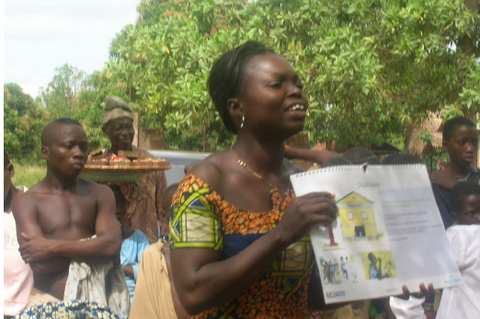
Operating since 2008, the Tazomoka Microfinance and Health programme in Madagascar uses networks created by microfinance activities to communicate information about ways of preventing and tackling malaria. Since 2001 PlaNet Finance and the global pharmaceutical company, sanofi-aventis, have been collaborating to develop such programmes, the first of which took place in Benin.
Working in conjunction with microfinance institutions (MFIs) and local non-governmental organisations, the programme's goal is to carry out awareness raising and education campaigns via anti-malaria information sessions.
The programme works to improve awareness by:
- increasing anti-malaria awareness levels among MFI clients and improving measures that can be taken to prevent the disease;
- encouraging microcredit beneficiaries to better protect themselves against the risks of malaria through daily hygiene routines and by using mosquito nets impregnated with long-lasting insecticides;
- developing new "health loan"-type products tailored to the needs of the groups being targeted; and
- recommending models for health microinsurance provision - based on assessments of the health microinsurance needs of disadvantaged groups - and to make it easier for these groups to access health care.
The programme is composed of three main activities:
- training sessions and raising awareness about malaria and prevention;
- economic and pharmacological study on malaria and evaluation of the awareness campaign (study and elaboration of microfinance products and models);
- technical assistance on the development of "health credit" products.
The strategy has also included developing a women's programme, known as "Women Leaders", who go into communities in their local areas and raise awareness about malaria. According to PlaNet, having participated in the programme, "Women Leaders" are able to provide anti-malaria training and awareness-raising activities to fellow members of their savings and loans associations or to others within their communities.
Malaria
According to PlaNet, between 2008 and 2010, the Tazomoka Programme in Madagascar trained 715 Women Leaders who have then gone on to raise awareness among 14,150 people.
PlaNet Finance, sanofi-aventis
Microfinance Focus website, Planet Finance website, Afmin website, and PlaNet Finance: Combating Malaria through Microfinance [PDF] on February 10 2012.
- Log in to post comments