










































Assessing the Impact of Polio Supplementary Immunisation Activities on Routine Immunisation and Health Systems: A Systematic Review
University of New South Wales (Vassallo); The University of Sydney (Vassallo, King); The Australian National University (Dunbar, Ajuwon, Kirk, Sheel); Charles Darwin University (Lowbridge); The Children's Hospital at Westmead (King)
"SIAs have mixed impacts on immunisation coverage and systems."
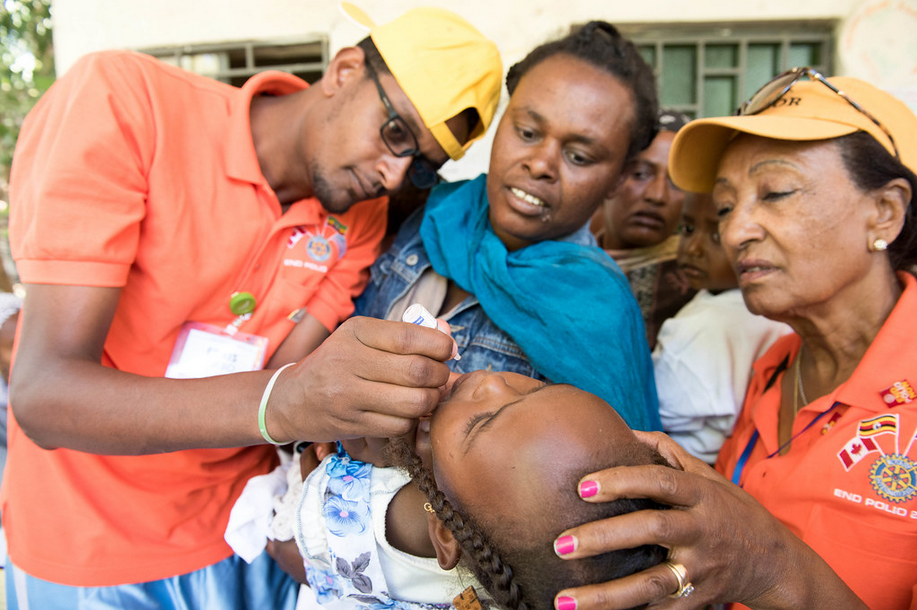
The Global Polio Eradication Initiative uses polio supplementary immunisation activities (SIAs) as a strategy to increase vaccine coverage and cease poliovirus transmission. While SIAs have been effective at increasing coverage of polio vaccine, their impact on immunisation for other antigens under Expanded Programme on Immunisation (EPI) and health systems have been frequently debated. This review looks at the impact of polio SIAs on routine immunisation and health systems during the modern era of polio eradication (from 1994 on); the summary below focuses on communication elements of the analysis.
This review was conducted during the COVID-19 pandemic, which had an impact on immunisation worldwide. For instance, the researchers note that, in Pakistan, where polio is still endemic and significant proportion of children are undervaccinated, disruption from COVID-19 resulted in an approximately 52% reduction in daily vaccination visits from March 23 - May 9 2020, compared with the prepandemic period. Globally, GPEI activities were disrupted for the initial few months of the pandemic; significant efforts were made to re-start the campaigns by July 2020 with appropriate COVID-19 prevention measures in place.
In January 2020, the researchers searched peer reviewed and grey literature investigating the impact of polio SIAs on routine immunisation systems. Twenty unique studies were eligible and included in this review. The key characteristics of included studies are summarised in table 1 of the paper. Data on delivery of routine immunisation during SIAs were available for 80% (16/20) studies and were accompanied by efforts towards increasing community engagement and public awareness in 45% (9/20) of studies. The impact of polio SIAs on increasing routine immunisation coverage or doses delivered was positive in seven studies, neutral in three studies, negative in one, and inconclusive in one.
The researchers found reports of increased capacity building, training, and knowledge-based capacity associated with SIA implementation. However, in studies without increased recruitment or in studies with large numbers of additional campaigns per year, decreased staff satisfaction was reported (two studies). There was a mixture of positive and negative impacts of SIAs on routine health service provision. Positive impacts included increases in community awareness about immunisation or routine other health services (five studies) and increase in the provision of other non-vaccination related health services (eight studies), especially in hard-to-reach areas. Negative impacts and disruptions to routine health services were reported in four studies, particularly when additional staff resourcing was not incorporated to deliver SIAs and staff were redeployed.
Elaborating on the findings in the paper's discussion section, the researchers reference a study examining the utility of polio national immunisation days to deliver vitamin A supplements. This study found SIAs were a beneficial way of reaching children, as well as raising awareness, enhancing technical capacity, improving assessment, and establishing reporting systems. The study provided a framework to use polio SIAs as a platform for delivering preventive health programmes including routine immunisation - e.g., on advocacy and social mobilisation. These findings align with GPEI goals as articulated in the Polio Eradication Strategy 2022-2026, which encourages integration of SIAs with social and health programmes, including routine immunisation.
The researchers suggest that the use of SIAs as platforms to deliver preventive public health programmes can create opportunities to strengthen immunisation system structures and health systems. The review indicates that investment in training, community education and engagement, and additional staffing are key ways to achieve this. While not directly examined in this systematic review, strategies for implementation and integration of SIAs could include utilisation of monitoring tools or checklists that detail different aspect of SIA planning, who is responsible for elements of the programme, and how the efforts can be further incorporated into routine services.
The review found a gap in standardised tools to evaluate SIAs, which can then inform service integration. As reported here, systematic review methodologies and quality assessment tools need to be reformed so that they are suitable for assessments and synthesis of programmatic research and interventions, particularly in low-income and middle-income country settings.
The researchers conclude: "...SIAs could be better leveraged for improving routine immunisation and immunisation systems. Key data from SIA planning and implementation, including identified high-risk populations and lessons learnt must be incorporated into national and subnational immunisation programme planning. To better enable this, we recommend programmatic support and guidance to deliver SIAs in a manner that strengthens the health system that is tailor-made but uses standardised tools to monitoring impact of SIAs on routine immunisation, across different pillars of the health system..."
BMJ Global Health 2021;6:e006568. doi:10.1136/bmjgh-2021-006568. Image credit: United Nations Children's Fund (UNICEF) Ethiopia via Flickr (CC BY-NC-ND 2.0)
- Log in to post comments