










































Can Digital Tools Be Used for Improving Immunization Programs?
Unit of Telemedicine, IRCCS (Tozzi, Gesualdo, D'Ambrosio, Pandolfi, Agricola); European Centre for Disease Prevention and Control (Lopalco)
"Only small progresses have been made to integrate digital tools into immunization programs. Moreover, research aimed at assessing the effectiveness of digital technologies as potential responses to problems of immunization programs is scarce."
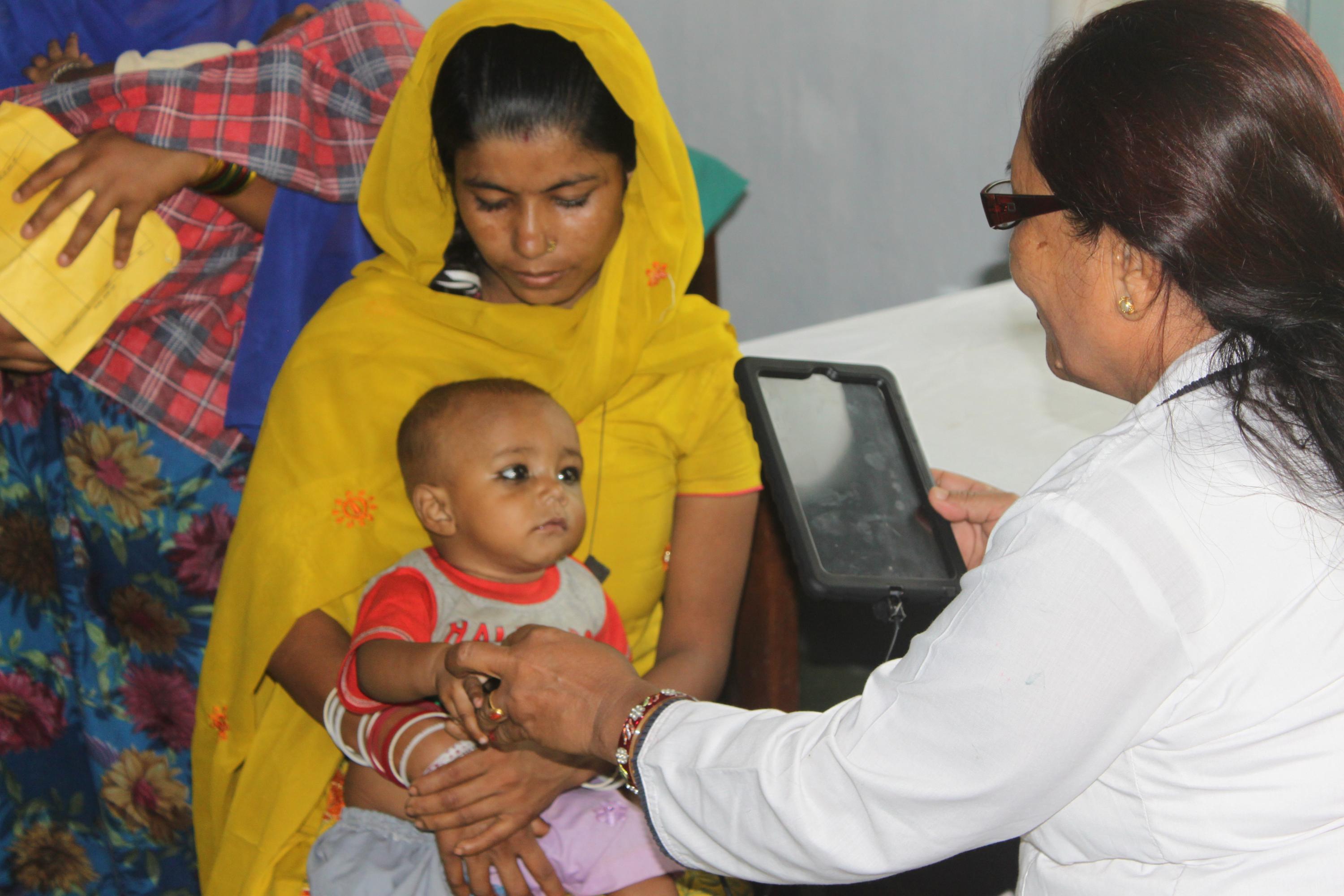
This review article explores previously published research on the use of digital tools in the following vaccine-related areas: immunisation information systems (IIS) such as immunisation registries, dose tracking, and decision support systems; vaccine-preventable diseases surveillance; surveillance of adverse events following immunisation (AEFI); vaccine confidence monitoring; and delivery of information on vaccines to the public. Examples are provided. For instance, due to the lack of infrastructures and to high costs, adopting IISs in developing countries is a challenging task, yet mobile technologies and advanced algorithms are being used to digitalise old paper-based immunisation registries in low resource settings, e.g., Mozambique. In Haiti, a cholera vaccination campaign has been carried out through house-by-house visits by operators equipped with wireless tablets. Children's immunisation status was assessed and recorded using a family-specific bar code; data were geolocalised and sent to a central system, which provided the programme staff with a real-time map of vaccination coverage. A similar approach has been used in China, with a mobile app for facilitating immunisation data recording, tracking unimmunised children, and appointment booking, and in Thailand, with an app for recording data during antenatal and immunisation visits.
Subsequently, the article analyses the limits of the use of digital tools in such contexts and outlines future possibilities and challenges. For instance, the authors note that, with regard to surveillance, "crowdsourcing, mobile phones, personal computing devices, and geolocalization of information promise to become stable pillars of public health strategies. Combining these resources with other tools, such as SMS and social networks, may generate innovative instruments to support surveillance of health events and other public health activities....This observation extends to monitoring vaccine coverage and AEFI occurrence, where social media can enhance traditional information sources." Despite the possibilities as identified through the research identified in the report, a number of barriers limit the adoption of digital tools in immunisation programmes. "First, ability to use digital tools may be hampered by cultural background and infrastructure availability. This implies an urgent need for educational activities aimed at empowering health professionals and patients for the use of such tools. Institutional stakeholders should drive political decisions toward the use of digital tools both in research and clinical activities. Second, the adoption of digital tools requires a relatively large, initial investment in human and financial resources. This may represent a limit, in particular, in developing countries....Third, the use of Internet for managing health data is subject to security and privacy issues. Strategies to maintain anonymity and preserve confidentiality are difficult to implement. Moreover, relying on proprietary resources, such as those offered by Google, may be problematic, since algorithms used by this company are not explicit."
They conclude that expanded use of digital tools can increase immunisation coverage, reduce vaccine-preventable disease incidence, reduce AEFIs, and increase the active participation of the public to immunisation strategies through informed decisions.
Tozzi AE, Gesualdo F, D'Ambrosio A, Pandolfi E, Agricola E and Lopalco P (2016). "Can Digital Tools Be Used for Improving Immunization Programs? Frontiers in Public Health 4:36. doi: 10.3389/fpubh.2016.00036 Image credit: Meredith Baker, VaxTrac
- Log in to post comments