










































Community Engagement from a Distance - Guide
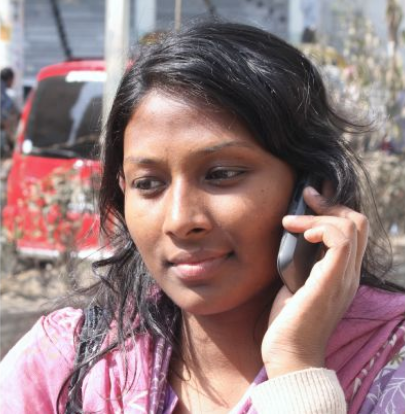
This short guide to community engagement at a distance is designed to assist development and humanitarian agencies to think through how risk communication and community engagement (RCCE) activities related to COVID-19 can be carried out without face-to-face interaction with communities. It is intended for communities in Bangladesh and was produced by BBC Media Action on behalf of Shongjog multi-stakeholder platform (MSP), the national platform for Communication with Communities (CwC) in Bangladesh.
The guide seeks to encourage more remote methods of communication so that agencies are able to safeguard the health of their own and their partners' staff and volunteers, while still ensuring that communities receive accurate, up-to-date information, as well as have access to communication channels that allow them to provide feedback and share their concerns and worries.
The guide looks at a variety of existing methods of communication used by organisations and offers alternatives or guidance on how to use these safely and more effectively. These methods and the recommendations, in brief, are:
- Courtyard meetings or group counselling - Organisations using these communication channels should instead consider using their established and trusted networks to share information by phone or online.
- Mobile miking - Organisations should rather consider setting up fixed-site loudspeakers within the community.
- Face-to-face health services or counselling - Organisations should make sure their remaining frontline staff are able to carry out good interpersonal communication.
- Telephone hotlines - Organisations should make sure they are up to date with the latest information and referral routes.
- Internet or social media - Organisations should try to use these channels for two-way communication.
Publishers
English; Bangla
8
Shongjog website, April 3 2020. Image credit: Shongjog
- Log in to post comments