










































Effective Training: Essential Principles, Approaches, and Process
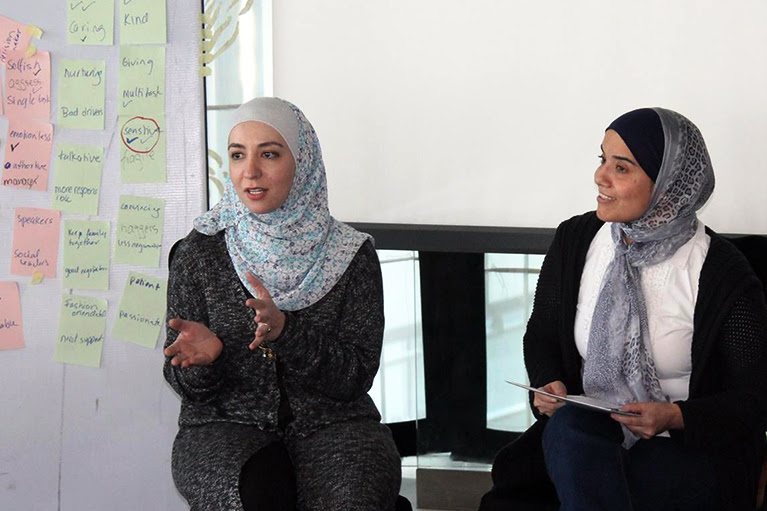
"Training can have diverse goals, objectives, and audiences. Therefore, it's important to consider a participant's context, needs, and abilities throughout the design and delivery process to ensure successful transfer of knowledge, skills, and attitudes."
This guide provides training designers and trainers with some principles, approaches, and a process that underlie effective training design and delivery from IREX's perspective. The international non-governmental organisation's training approach is characterised by six key principles:
- Learner-centred: an environment that pays careful attention to the knowledge, skills, attitudes, and beliefs that participants individually bring to the space. This starts with the Training Needs Assessment, which informs the design and delivery process as well as the approach to evaluation. From the culture of a participant to their race, gender, skills, and ability, trainings place emphasis on participants to ensure that the outcomes are responsive to their needs and realities.
- Inclusion sensitive: differentiated approaches to training design and delivery that ensure inclusion along locally relevant dimensions, from selection processes to evaluation questions. IREX works to build trust and safety among diverse participants, fostering conditions for all participants to contribute and engage in all training activities.
- Actionable: a focus on knowledge, skills, and attitudes that have a practical utility and will help participants make an impact.
- Experiential: a holistic, cyclical process - Experiential Learning Theory (ELT) - that emphasises that effective learning occurs when direct experience is tied to personal reflection, opportunities to make relevant connections to the experience, and the ability to demonstrate the appropriate use of the knowledge or skill.
- Active: use of formal training components to shape and support a participant's learning processes through role-playing, pairing participants for activities, movement exercises, and other elements to foster increased participation, enlivened learning, deepened retention, and meaningful application.
- Measurable: the careful development of learning objectives in the design process that identify the knowledge, skills, or attitudes that will be gained by participants. Formative and summative assessments help IREX strengthen its trainings to be effective at providing skills that lead to positive impact for participants.
These principles underlie training design and delivery, which is the subject of the next component of the resource. This section is divided into youth learning and adult learning and provides the principles that IREX believes enable the best learning for both audiences. For example, IREX incorporates Positive Youth Development (PYD) in trainings. This intentional, prosocial approach aims to engage youth within their communities, schools, organisations, peer groups, and families in a manner that: is productive and constructive; recognises, utilses, and enhances young people's strengths; and promotes positive outcomes for young people by providing opportunities, fostering positive relationships, and furnishing the support needed to build on their leadership strengths.
IREX also offers guidance on making training more inclusive, discussing gender sensitivity, sexuality sensitivity, ability sensitivity, and culture sensitivity in its training approach. "In practice" tips are provided.
Publishers
9
Email from IREX's Center for Applied Learning and Impact to Soul Beat Africa on October 12 2017; and IREX website, October 17 2017. Image credit: IREX
- Log in to post comments