










































Encountering Democracy
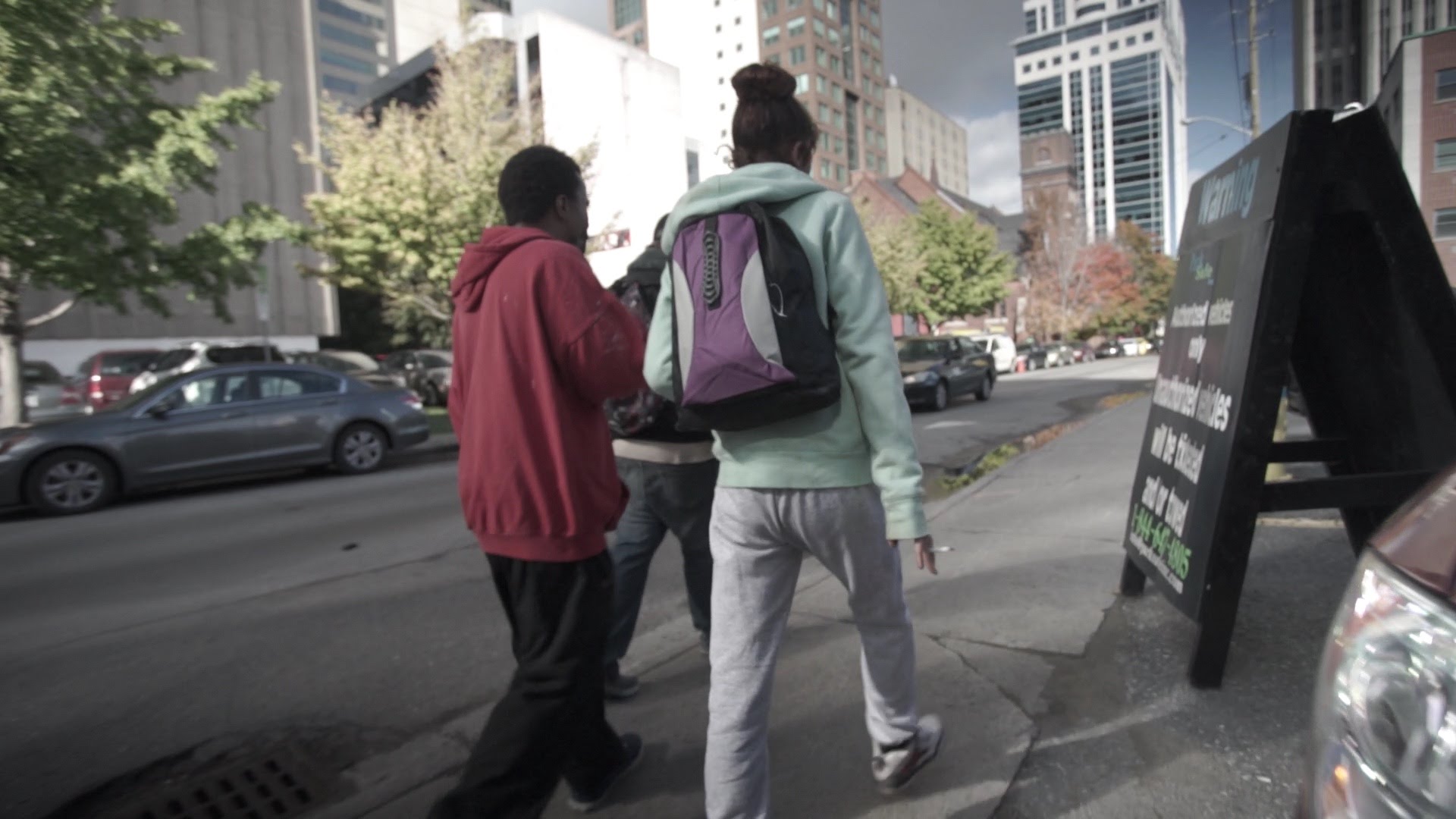
This 3-part documentary and resource guide emerged from a 3-phased communication and advocacy project designed to elicit homeless and formerly homeless youths' perspectives on democracy and citizenship in Canada. The films and guide are meant to accompany a classroom/community film screening, with the purpose of sparking critical engagement in the topic of youth homelessness.
Between February and October of 2015, Principal Investigator Dr. Jacqueline Kennelly of Carleton University worked with 50 youth (ages 16-25) at an Ottawa youth drop-in centre, conducting focus group discussions, photo projects, walking interviews, and arts and mapping activities. The last phase - the action phase - was left intentionally open to emerge organically from the youth involved. Some youth suggested creating a video. Carried out by a local filmmaker, the film covers topics the youth described as important to them: transitioning out of homelessness; decriminalising marijuana; and youth and policing.
In collaboration with the Ottawa Art Gallery and Citizens Academy, Professor Kennelly and her students hosted a public screening of the results of the research project. The public participated in activities that were similar to those that the youth had conducted, including mapping, a thermometer exercise, and discussions.
The films and resource guide are freely available for teachers and professors to use in their classrooms or for organisations or individuals to use for community screenings. The guide provides outlines of the activities and includes discussion questions and websites for further research on the topics raised.
Publishers
6
Encountering Democracy page on Jacqueline Kennelly's website and Encountering Democracy profile by Nick Ward on the Carleton University website, both accessed on February 3 2017.
- Log in to post comments