










































Interactive Radio Program Report: An Integrated Approach to Addressing the Issue of Youth Depression in Malawi and Tanzania
“In many countries in sub-Saharan Africa (SSA), mental health issues are poorly understood. They are often attributed to laziness, and in severe cases spiritual possession or bewitchment. There are very few services available to help people struggling with mental health issues, and the ones that are available often focus on the most severe mental illnesses with little attention given to common mood disorders such as Depression, bipolar, and anxiety disorders.”
This report offers a summary of the design, implementation, and evaluation of an interactive radio campaign that sought to improve mental health literacy among young people and create a demand for mental health services. The campaign formed part of a larger project called An Integrated Approach to Addressing the Issue of Youth Depression in Malawi and Tanzania and was implemented by Farm Radio International (FRI) and partners Teen Mental Health and Farm Radio Trust in Malawi. As explained in the report, “Anxiety and depressive disorders among youth are increasingly recognized as a health care priority need in low-income countries such as Malawi and Tanzania. However, there is a dearth of mental health care available for young people with Depression throughout Sub-Saharan Africa, as well as poor mental health literacy, high levels of stigma and discrimination, and a weak capacity at the community level to address these needs.”
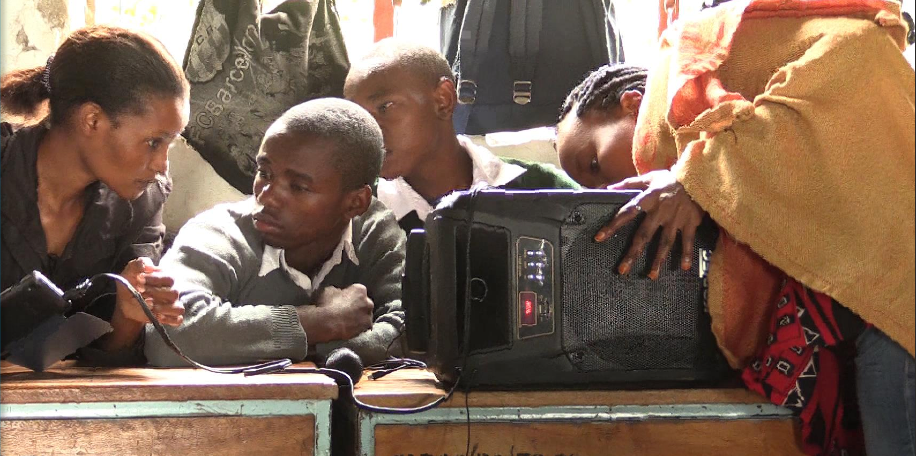
To respond to this, the project worked with local radio broadcasters in Malawi and Tanzania to design and deliver weekly, interactive youth radio shows about mental health, which were grounded in theories of social and behaviour change communication and edutainment, and used participatory methodologies. For example, FRI integrated the edutainment model into the design of the radio programmes (Nkhawa Njee in Malawi and Positive Mood in Tanzania), which followed a magazine format incorporating a serialised soap opera with short episodes (approx. five minutes) each week, the latest popular music, interviews with celebrities, first-person storytelling about youth who suffered from mental health problems, and phone-in question and answer sessions with experts. The radio programmes were designed in each country through a process that involved: 1) formative research to identify radio listening preferences, and baseline knowledge, attitudes, and mental health seeking practices; 2) focus groups and interviews with youth about their desires, hopes, and fears; 3) message development with mental health experts and representatives from the ministry of health; 4) development of a storyboard for the soap opera and pilot-testing scenes and scenarios with youth; and 5) in-station training with the radio partners on how to integrate FRI’s methodologies and tools. In addition, ongoing engagement with the content, and deliberation over the messages, was facilitated through SMS (short messaging service) feedback mechanisms and mobile polls and quizzes delivered through the radio stations, along with school-based radio listening clubs that met weekly to listen to the programmes and discuss the themes in a group. As explained in the report, “Over the course of the 45-month project, the radio shows gained immense popularity, in large part because they talked about issues that are important to youth, and incorporated the language youth use and music they prefer. The programs attracted an average of 500,000 listeners each week, and received tens of thousands of text messages and Facebook posts by young people giving feedback, telling the radio hosts about what topics they would like to hear about, and asking questions about mental health or requesting to be connected with a mental health expert.”
The impact of the radio was measured according to whether and to what extent the interactive media programmes play a role in triggering or facilitating drivers of a process of change, which includes bringing about improvements in knowledge and attitudes, mobilising a social movement, and facilitating greater social and public support to put mental health on the agenda as a topic of conversation, grounded in new understandings and new knowledge. The report discusses the evaluation results of each country programme, related to: changes in knowledge of mental health signs, symptoms, and treatments; attitudes on mental health; and health seeking behaviours. In brief, the findings “demonstrate that an interactive radio campaign can have a marked effect on improving knowledge, decreasing stigma, and increasing demand for mental health services among youth in sub-Saharan Africa. Youth who listened to the radio programs fare better than their peers in understanding the signs and symptoms of mental health disorders and in knowing where to go if they or someone they know needs help. Further, interactive radio programs can have a direct impact on reducing stigmatizing attitudes, frequently recognized as a crucial element in promoting improved access to care. Finally, our findings suggest that greater exposure leads to greater improvements in all areas, suggesting that this approach may provide a scaleable and potentially sustainable method for catalyzing a social movement around mental health by enhancing public discourse and deliberation, and establishing avenues for advocacy, thereby creating a demand for, and in turn improving access to, mental health care.”
Farm Radio International website on October 10 2017.
- Log in to post comments