










































The P-Process
This updated P Process is a tool used in designing social and behaviour change communication (SBCC) programmes. Developed in 1982, the P Process is a tool for planning strategic, evidence-based health communication programmes to design, implement, monitor, and evaluate communication strategies, materials, and programmes.
The P Process is a step-by-step roadmap for guidance from a loosely defined concept about changing behaviour to a strategic and participatory programme that is grounded in theory and has measurable impact. The update "incorporates lessons learned and acknowledges the real-time, dynamic nature of the strategic process as well as new technologies and the constantly changing nature of communication, social norms, individual behavior and decision-making. It draws from many other disciplines, including design theory, behavioral economics, social psychology and anthropology."
"The P Process has five steps:
Step 1: Inquire [includes baseline and/or formative research as well as information review and organisation capacity assessment with attention to gender sensitivity, identification of partners/allies and available communication channels - cell phones to community communication channels to interpersonal influencers to radio and TV, leading to formation of a problem statement that summarises a project goal]
Step 2: Design your strategy [includes stakeholder participation in strategy, choice of SBCC model/theory development, decisions on audiences, communication objects, programme approaches, communication channels, implementation and timeline, M&E, and plan dissemination]
Step 3: Create and test [includes choosing a design team, holding a design workshop, concept testing, sharing test results with team and stakeholders, revising and retesting, producing final materials]
Step 4: Mobilize and monitor [includes checking understanding of roles, conducting training, keeping partners updated on implementation and sharing credit to keep stakeholders engaged, monitoring, using data for mid-course corrections, and preparing further evaluations]
Step 5: Evaluate and evolve [includes measuring outcomes, assessing impact, disseminating results, making a final report indicating future opportunities and scale-up possibilities]
Three cross-cutting concepts are embedded in the P Process. Social and behavior change communication (SBCC) approaches work best when all three of these guide your strategic process.
- SBCC theory
- Stakeholder participation
- Continuous capacity strengthening"
20
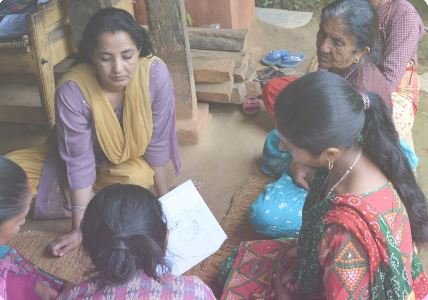
Email from Kim Martin to The Communication Initiative on November 11 2013. Image credit: Valerie Caldas, courtesy of Photoshare
- Log in to post comments