










































"She Vaccinated My Baby and that's All..." Immunisation Decision-making and Experiences among Refugee Mothers Resettled in Aotearoa New Zealand
"Against the backdrop of historically suboptimal national coverage rates and recent impact of the COVID-19 pandemic on routine childhood immunisation coverage..., it is vital to understand how caregivers of refugee backgrounds utilise and experience immunisation services for their children post-resettlement to inform refugee-specific strategies to improve and sustain high age-appropriate vaccination rates."
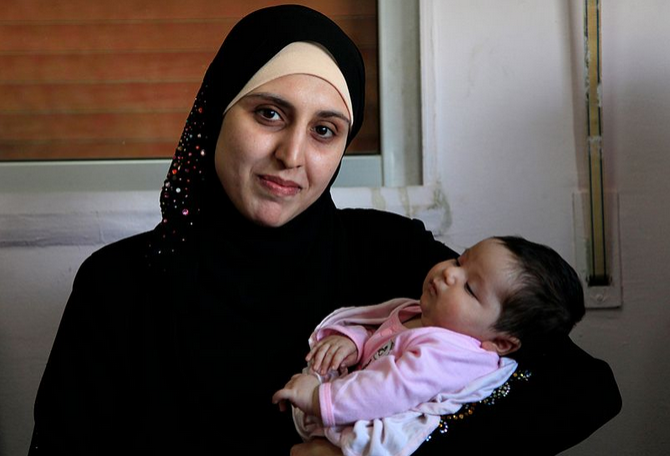
A complex interplay of factors can hinder access and utilisation of health and immunisation services among migrants and refugees, such as English language proficiency, cultural beliefs, limited knowledge, inadequate access to health services, and vaccine hesitancy. This qualitative study sought to understand refugee mothers' vaccine decision-making and experiences accessing immunisation services for their children, post-resettlement, in Aotearoa, New Zealand.
An interpretive description methodology involving focus groups with refugee mothers (N = 45) was conducted in Auckland, one of the resettlement locations. Open-ended questions were based on: (i) the health belief model, a key theoretical framework for understanding vaccination behaviour, to explore their knowledge and perceptions of vaccine-preventable diseases (VPDs) and vaccines, (ii) their experiences with vaccinating their child(ren), both in their countries of origin (and transit) and once resettled in New Zealand drawing from a theoretical framework about migrants' utilisation of health services, and (iii) their suggestions for improving immunisation service delivery.
In this study, some mothers delayed vaccinations for their children, while none outright refused. The primary reasons mothers shared for delaying vaccinations related to logistical barriers, time constraints due to competing personal or family commitments, and previous negative vaccination experiences with HCPs. Mothers in this study who delayed vaccinations may have been labelled as "vaccine hesitant", even though the prevailing reasons for delaying did not indicate they were either unsure or not supportive of childhood vaccinations but, rather. reflected structural and organisational challenges they faced. While research has shown that HCPs are aware of the competing priorities faced by refugee families, offering additional support to overcome structural access barriers to enable families to attend immunisation appointments could be beneficial.
Four themes emerged:
- Do I have a choice? - Mothers displayed pro-vaccination sentiments and parental obligation to vaccinate their children to protect their health, which underpinned their compliance with the national vaccine schedule. Mothers expressed immense trust in healthcare providers (HCPs), the health system, and the New Zealand government more broadly. This trust appeared to be influenced by their lack of alternative options as they now live in New Zealand and cannot return to their home country.
- Transnational vaccine perceptions and behaviours - Mothers noted that. culturally, there is a lot of respect for HCPs, especially doctors, in their home country; this fact influenced their high level of trust of HCPs in New Zealand. Comparing the competence and skills of HCPs between those in the home country and New Zealand further reinforced their trust in HCPs and their recommendations. Information sharing with their transnational networks had the potential to influence vaccine perceptions and behaviours in home and host countries.
- Unanswered questions and concerns - Mothers discussed how many of their questions and concerns about immunisations and post-vaccine management went unanswered by HCPs. They noted immunisation information inequities as all the resources were only available in English, and thus, they did not receive sufficient information to support informed vaccine decision-making and post-vaccination management. A few mothers resorted to searching the internet for immunisation information and noted the misinformation spread via social media platforms.
- Relationships and experiences matter - Mothers stressed the importance of who vaccinated their child and how it was administered, highlighting that health providers' demeanour and competence influence their immunisation experiences. Some mothers talked about how emotional immunisation appointments were as they cried as they watched their child in pain. Their stories highlighted the important role of HCPs in supporting mothers during immunisation appointments to inform them of the process, ease any anxieties they may have, and provide appropriate advice for post-vaccine management. Some mothers also shared negative experiences where they were stigmatised and treated unfairly by HCPs and allied staff (e.g., receptionists) during other health appointments.
In conclusion: "Health providers are encouraged to focus on creating a positive immunisation experience for refugee background families. Qualified interpreters and provision of culturally and linguistically appropriate information are required. Transnationalism at the individual level appears to influence vaccine perceptions and behaviours among refugee-background mothers. Future research focusing on caregivers with child(ren) who are not fully vaccinated would be beneficial."
BMC Public Health (2023) 23:1349. https://doi.org/10.1186/s12889-023-16266-7. Image credit: DFID - UK Department for International Development via Wikimedia (CC BY 2.0)
- Log in to post comments