
























Development action with informed and engaged societies

After nearly 28 years, The Communication Initiative (The CI) Global is entering a new chapter. 

Following a period of transition, the global website has been transferred to the University of the Witwatersrand (Wits) in South Africa, where it will be administered by the Social and Behaviour Change Communication Division. Wits' commitment to social change and justice makes it a trusted steward for The CI's legacy and future. 

On the transfer, co-founder Victoria Martin expressed her pleasure to see this work continue under Wits' leadership, knowing that co-founder Warren Feek (1953–2024) would have felt deep pride in The CI Global's Africa-led direction. 

As Wits, we honour the team and partners who sustained The CI for decades and look forward building from that strong base. This includes co-founders Warren Feek (1953-2024) and Victoria Martin as well as La Iniciativa de Comunicación (CILA), which continues independently at lainiciativadecomunicacion.com with links to The CI Global site. We are also eager to forge new partnerships and entertain new ideas as we consider how best to contribute to social and behaviour change in our rapidly evolving environment.

If you are joining the International Social and Behaviour Change Communication (SBCC) Summit in Panama, please join Wits and CILA on Monday, 22 June, to share your thoughts and suggestion for the relaunch of the Communication Initiative. We will be in Pacifica 5 from 12-1:25 for the Refuel, Reflect, and Renew Lunch Series: The Communication Initiative: celebrating a driving force for Communication for Social Change and the way forward. We will reflect on the legacy of Warren Feek and family in creating the Communication Initiative, consider the contributions of CI over the years and then turn our attention towards the future in this dynamic session. 

If you are unable to join us in Panama, we still want to hear from you. Please contribute your thoughts by following this link: https://redcap.link/CommunicationInitiative2026 or reaching out to ci_surveys@commint.com

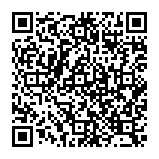
You can also follow the QR Code:

 https://redcap.link/CommunicationInitiative2026

Time to read
1 minute
Read so far

The Ultimate User’s Guide to Sources for Best Practices: Ready for What's Next in Risk and Crisis Communication

0 comments

Author

SummaryText

This user’s guide to sources for best practice in risk and crisis communication intends to supply communication strategies and guidance to and evaluation of the multiple available sources for best practice in risk and crisis communication. The guide is designed to provide a roadmap to research- and analysis-based risk and crisis communication. It offers an inventory of sources from several countries for topic-specific communications.

Table of Contents:

Introduction to Guide: Sources for Best Practices in Risk and Crisis Communication

  • The Concept of Best Practices
  • How Sources for Best Practices in Risk and Crisis Communication Were Identified

Sources for Best Practices in Risk or Crisis Communication: General Principles and Guidance in Specific Risk Domains

  • General Principles of Best Practices for Risk and Crisis Communication
  • Best Practices and Infectious Disease Outbreaks (United States Sources)
  • Best Practices and Natural Disasters
  • Best Practices and Intentional Risk Events (Terrorism, School Violence)
  • Best Practices and Food or Water Safety Incidents
  • Best Practices and Industrial, Chemical, or Technological Risks
  • Best Practices and Homeland Security, Military, and Defense Domains
  • Best Practices for Risk and Crisis Communication From an International Perspective

Sources for Best Risk/Crisis Communication Practices Regarding Specific Populations

  • First Responders
  • Leaders During a Crisis or Emergency Event
  • Culturally Diverse Populations and Vulnerable Groups
  • News Media and Journalists

Selected Sources for Keeping Up-To-Date with Developing Information About Best Practices

  • Summary of Rapidly Developing Concepts about Risk/Crisis Communication Practices
  • Social Media and New Communication Technologies

 Interactive Approaches to Crisis Communication; Rapid Information Sharing, Real-Time Feedback, and Community Participation


The 44-page guide is available by emailing Dr. Tim Tinker (tinker_timothy@bah.com)

Publication Date
Number of Pages

63

Source

Email press release from Robert Cohen on March 14 2010.