










































Understanding and Increasing Influenza Vaccination Acceptance: Insights from a 2016 National Survey of U.S. Adults
University of Georgia
One systematic review of 470 articles exploring potential facilitators and barriers to influenza vaccination published between 2005 and 2016, involving a wide range of countries, found consistent relationships with level of vaccine confidence, influenza complacency, physician recommendation, past influenza illness, and vaccination experience. This study built off prior research by using a national probability survey of 1,005 United States (US) adults 19 years and older to assess: (i) influenza vaccination behaviour and intentions; (ii) knowledge, beliefs, and confidence regarding influenza illness and vaccination; and (iii) self-reported experiences with influenza to identify characteristics, experiences, and beliefs associated with vaccination.
Overall, the study found that 42.3% had received an influenza vaccination in the past 12 months, which is far below the 70% target established by the nation's Healthy People 2020 programme. Along with those under 64 years old, Hispanic respondents were much less likely to get an influenza vaccination, with only 20.8% of them reporting having done so in the past 12 months. Hispanics were also less aware of the recommendation, less informed about influenza and the benefits of vaccination, and least confident in the vaccine. One reason for part of the gap is that Hispanics (54.7%) were less likely than non-Hispanic Black respondents (80.9%) and non-Hispanic whites (69.6%) to have seen a physician in the past year for a routine check-up. Since healthcare provider recommendations are a significant impetus for individuals getting an influenza vaccination, it would be expected that fewer encounters with healthcare providers, especially during key influenza vaccination months, would impede vaccination.
The findings reaffirm the importance of a healthcare provider recommendation. Two-thirds of those who received a provider recommendation got an influenza vaccination in the past 12 months, whereas 84% of those not getting a recommendation did not. Confidence in influenza vaccine safety, effectiveness, and personal benefit was also higher among those who received a provider recommendation (e.g., 53-61% having high confidence levels vs. 25.1-35.2%, p's = 0.05).
While the results showed that recommendation awareness mattered, they also suggest the importance of believing that one is "very well informed" with respect to who should receive an influenza vaccine, the benefits of vaccination, and the risks associated with not being vaccinated. Hispanics, 19-49 year-olds, and males were most likely to be the least aware and informed. Notably, 50-64 year-olds were more similar in awareness and being informed to 31-49 year-olds than those 65 and older, suggesting they are not being well reached with influenza-related information and/or they pay little attention to such information. Knowing where to obtain an influenza vaccination was not a factor, as almost all respondents knew this.
The results indicate that influenza vaccination-related confidence matters. Individuals who had the highest levels of confidence in influenza vaccination safety, effectiveness, and benefits were 7 times more likely to have received an influenza vaccination in the past 12 months than those who expressed little confidence. Overall, however, less than half of respondents reported having high levels of confidence in influenza vaccine effectiveness and benefits, with most of those being people 65 years old and older.
The researchers outline implications of the study for efforts to increase influenza vaccination. In brief:
- Both more and better influenza vaccination-related communication and education efforts are needed, and targeted and tailored messages and materials are recommended.
- There is a need to find ways to reach adults in non-healthcare settings, which will necessitate research to identify the media Hispanics rely on for health and medical information. It is also likely the case that with respect to Hispanic Americans, efforts are needed to improve physician-patient interactions, including by addressing health literacy factors and improving cultural competencies.
- More efforts are needed in the US to persuade those 50 to 64 years old to get an annual influenza vaccination, suggesting that communication and education efforts must find ways to get those who forgo influenza vaccination to believe that the benefits are greater than the risks.
- Because many adults appear to consider influenza to be either an unlikely health threat or one that would not cause serious illness, to the extent these beliefs have been shaped by influenza and vaccine experiences to date, achieving behaviour change with information alone will be difficult.
In short, this study shows that efforts to encourage influenza vaccination in the US need to increase awareness, generate a sense of being "very well informed" about the benefits of influenza vaccination and the risks associated with not being immunised, and instill confidence that one benefits from vaccination.
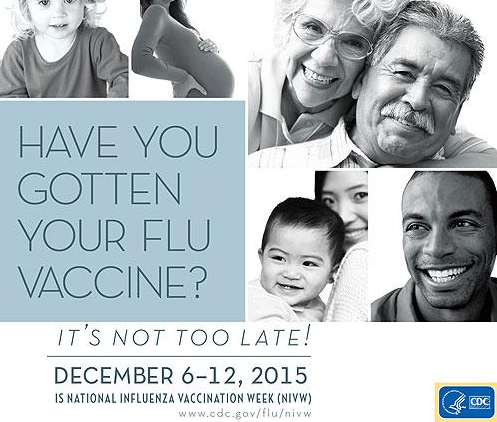
According to one of the researchers behind the study, the results highlight the importance of communication efforts like National Influenza Vaccination Week (NIVW), which the US Centers for Disease Control and Prevention (CDC) established in 2005 as an annual quest to raise awareness and encourage Americans to continue flu vaccination throughout the holiday season and beyond.
International Journal of Environmental Research and Public Health. 2018 Apr; 15(4): 711. doi: 10.3390/ijerph15040711; and "Study: More people getting flu vaccine this year", by Sarah Freeman, University of Georgia, December 6 2018 - accessed on January 15 2019. Image caption/credit: caringnews.com
- Log in to post comments