










































Risky Business Made Safer - Corridors of Hope: An HIV Prevention Program in Zambian Border and Transit Towns
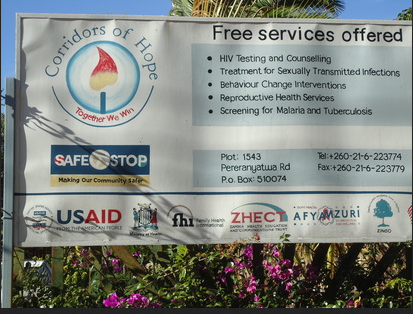
This 12-page case study, published by the AIDSTAR-One programme, discusses the experience of the second phase of the Corridors of Hope (COH II) programme, sharing how COH II addressed multiple gender-related barriers to HIV prevention, particularly with sex workers. COH II taught individuals in the border town of Livingstone, Zambia about HIV prevention, provided HIV and sexually transmitted infection (STI) health services in clinics and through mobile units, and used a behaviour change and communication strategy to change risky sexual behaviour. COH II also addressed gender-based violence and legal protection through referrals, as these were needs frequently identified by sex workers, and worked with men to change their unsafe sexual behaviour. According the case study, COH II contributed to the overall goal of preventing new HIV infections and providing individuals with care and support services.
The case study explains that Livingstone, Zambia, is a bustling border town, filled with truck drivers, immigration officials, money changers, and many others who live there or pass through to take advantage of the town's economic opportunities. Economically poor women from Zambia and neighbouring countries come to these towns to sell sex, using what they earn to feed themselves and send their children to school. A key component of COH II is behaviour and social change. The project’s behaviour change and communication team used group sessions that employed a reflective, participatory methodology with the general population and at-risk groups in particular to change individual risk behaviour. COH II also worked with "queen mothers", women in their 30s and 40s and often former sex workers, who landlords hire to supervise sex workers in guest houses. The programme trained them in safer sex practices, information they then shared with the sex workers they monitored to better protect them against HIV, STIs, and violence.
The case study outlines the following as programme innovations:
- Working with at-risk groups in conjunction with the broader community responded to the generalised epidemic in Zambia.
- Working with sex workers, particularly foreign sex workers, helped address the needs of a key group that is particularly vulnerable to HIV, yet has little or no access to services.
- Focusing on high-risk groups in each site based on the local context allowed for more effective programming.
- Close coordination with civil society organisations and local and district government through DATFs and other efforts ensured geographic and service gaps were addressed.
- Including community stakeholders and beneficiaries in designing, implementing, and evaluating the programme, as well as building the capacity of local implementing organisations in administering, implementing, and evaluating the project, helped the project build in sustainability.
- Working with men and creating a referral network of services for women, such as for those who have experienced gender-based violence, recognised the need to address gendered vulnerabilities.
The case study explains that mobile outreach units were successful in increasing demand for and use of voluntary counselling and testing and other HIV prevention services. In interviews with sex workers, women said the COH II programme was one of the few services available to them and the only one in which they were treated with dignity and respect. They reported that the clinic-based services were reliable for treating STIs effectively, and behaviour change sessions had helped them develop strategies to protect themselves from HIV, STIs, and violence. Queen mothers reported that they worked with sex workers to develop prevention tactics and helped protect sex workers from violence.
Challenges and lessons learned are identified as follows:
- Limits of a referral system: While COH worked effectively with women and men to change harmful behaviours that increased their HIV risk, the programme was not designed to address broader gender inequalities that put women at risk. Similarly, the programme was not designed to address the need for legal protection, income equality, and gender equality except through referrals to other services, some of which were limited in scope and effectiveness.
- Police as a barrier: While police can be effective, respectful service providers, the police interviewed for this case study spoke openly about their discrimination against, and abuse of, sex workers. There is an urgent need to work with police departments to change male attitudes and behaviours that harm the women they are supposed to serve.
- Entrenched norms limit work with men: Social norms around masculinity and how women are valued limit behaviour change among men. For example, while some truck drivers interviewed in this study reported that they sometimes used condoms with sex workers and condom use with sex workers was perceived as acceptable, they also said that condom use with wives was completely unacceptable. On a more positive note, truck drivers expressed the desire for recreation opportunities other than drinking and sex, explaining that they sought sex workers because there was nothing else to do when waiting at the border for deliveries or border passes.
- Legal barriers: The stigma and marginalisation of sex work in Zambia makes it extremely difficult for sex workers to seek services such as health care or legal protection in cases of rape or assault because they fear abuse and arrest. It also makes it easy for men — including authority figures such as police officers — to take sexual or financial advantage of sex workers without consequences. The stigma of sex work that discourages women from seeking health and legal protection services, combined with men’s exploitation of women’s vulnerability in this regard, are key factors in worsening the HIV epidemic in Zambian border and transit towns.
- Stigma and discrimination in health care settings: There is a need to provide services to stigmatised groups and foreigners in a non-judgmental fashion. Changing discriminatory attitudes and practices requires raising awareness of service providers and the broader community in border areas as to the rights and treatment of sex workers and immigrants.
- Need to strengthen gender mainstreaming: Finally, government and civil society services that address HIV often do not understand or address gender-related barriers that can affect HIV outcomes, and that gender-related efforts such as the legal protection of women operate separately from the health sector. Adequate training, guidelines, and coordination are needed to mainstream and implement gender strategies into HIV efforts. Service providers also need gender indicators and training on monitoring and evaluating gender mainstreaming efforts, and these measures can provide an opportunity for a programme like COH to address broader gender inequalities, such as gender-based violence, that increase one's HIV risk.
AIDSTAR-One website on February 28 2013.
- Log in to post comments