










































WORLD AIDS DAY 2013 ZERO DISCRIMINATION: THE COMMUNICATION ROLE?
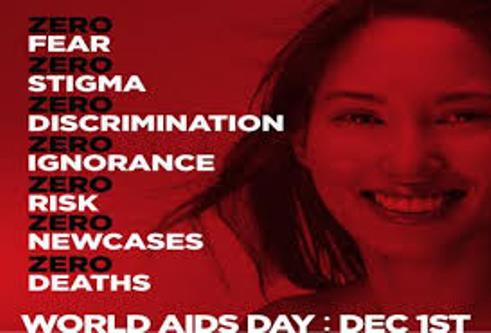
Author: Warren Feek of The Communication Intiative, December 2 2013 "It is certain that ending the AIDS epidemic will mean so much to so many. It will mean zero new HIV infections, zero people dying of AIDS - and all people living with dignity and without fear of discrimination … make no mistake, stigma, denial and complacency are still among us, putting us in danger of failing the next generation…" Michel Sidibé - Executive Director of UNAIDS (1 December, 2013)
Today is World AIDS Day. Though progress has been made, Michel identifies one of the major hurdles still to be significantly jumped in many countries and communities - discrimination, stigma, denial. This is a hurdle for which there is no scientific solution. No vaccine or other drug can reduce the size or alter the nature of this obstacle. Communication is essential.
Below are a number of examples of substantive communication action on the issues of discrimination and HIV/AIDS. In order to provide some context for those actions, I wanted to begin with an argument around key strategic principles. Please note that this is my argument, not the collective approach of The CI Partners.
Effective action on discrimination requires effective communication with a priority focus, I would argue, on:
- Creating and supporting more SPACES for national and local DEBATE on key HIV/AIDS issues in each context - physical, cultural, social and inter-personal spaces;
- Ensuring a greater diversity of VOICES within those DEBATES, including media, public events and policy making fora;
- Placing a priority on supporting the voices of people and communities directly experiencing HIV/AIDS;
- Increasing the levels of safe, informed DIALOGUE amongst friends and within families on often sensitive HIV/AIDS issues;
- Enhancing levels of both financial and strategic support for the increasingly important "People Living with HIV/AIDS" groups and networks so that their experiences, analysis and ideas can be heard louder and clearer; and
- Further strengthening the positioning of HIV/AIDS as the major rights issue that it really is. (Noting that the early struggles and organization related to HIV/AIDS were rights based and focused - from San Francisco to Kampala).
This approach requires three distinct strategic changes in how resources are used and allocated to help progress the "zero discrimination" goal:
a. Moving from strategies that, in the main, "target" people to do certain things, to ones that have a much greater focus on engagement, inclusion and listening to the analysis, opinion and ideas of the people most affected - and then acting on that analysis.
b. Moving from what appears to be a preponderance of "technical expert" leadership in HIV/AIDS policy making and strategic decisions, at all levels, to one where there is a much greater balance with the people directly affected by HIV/AIDS having a vastly increased role in decision making.
c. Moving from an emphasis on "messages" to a strategic priority, as outlined above, on voices, debate, dialogue, spaces and resonance - into which key knowledge can be introduced.
Progress has been made on these principles but much more is required.
The communication processes outlined are not easy. They present considerable risks. Opening up debate and dialogue, with an emphasis on voices previously marginalized, ignored or considered irrelevant, on often very sensitive issues, is a challenge to everyone - from local communities to the largest international development agencies. And these communication approaches are not cheap. To do them well requires very significant resources. We are dealing with people in their real lives not cells in the controlled environment of a laboratory.
Many organizations and communities are showing ways forward in this approach to ending discrimination related to HIV/AIDS, from which we can all learn. There are hundreds of examples at this link - where you can further filter for country, year, type of organization, type of strategy, etc.
Some specific experiences and insights include:
Storytelling to Combat HIV/AIDS Stigma amongst Transport Workers
The Umoja HIV and Your Community Facilitator's Guide
'Happy Prostitutes' AIDS Campaign Sparks Debate
Bringing Justice to Health: The Impact of Legal Empowerment Projects on Public Health
Forming Networks of Community-Based Organizations: Early Experiences from the Avahan India AIDS Initiative
Action Group for Health Human Rights and HIV/AIDS (AGHA)
KELIN: Kenya Legal and Ethical Issues Network on HIV and AIDS
Faidha Gani? What's the Point: HIV and the Logics of (Non)-Disclosure among Young Activists in Zanzibar
Nalamdana
Creating a Public Space and Dialogue on Sexuality and Rights: A Case Study from Bangladesh
Our Lives Aren't Like the Lives of Other Children
Communications for Change: How to Use Text Messaging as an Effective Behavior Change Campaigning Tool
Casting a Finer Net: Involving Fishing Communities in HIV Research
Young Women: Life Choices and Livelihoods in Poor Urban Areas
There is much more. You can access further insights and experiences at this link.
I wish you a very productive year taking effective action on the vitally important "discrimination" elements of HIV/AIDS.
Best wishes,
Warren
Warren Feek
Executive Director
The Communication Initiative
Image credit: UCAN website
- Log in to post comments