










































Connecting Refugees
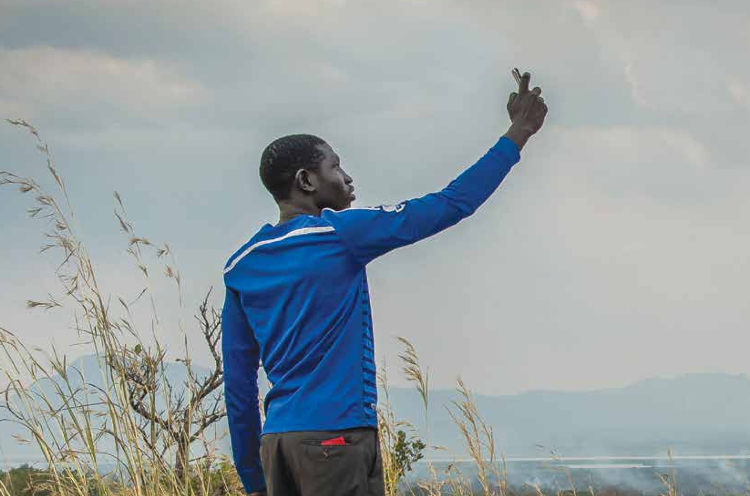
United Nations High Commission on Refugees (UNHCR)
"The digital revolution is transforming the world but refugees are being left behind. Today, almost 65 million forcibly displaced refugees and internally displaced persons are living without reliable internet and mobile connectivity."
This document from the United Nations High Commission on Refugees (UNHCR) describes an assessment in refugee communities on digital access and mobile communications including infrastructure, cost as a percent of personal funds, and phone availablility. It then outlines the vision for refugee connectivity and a strategy to establish partnerships to tackle the problem.
As stated in the executive summary, "seven per cent of refugee communities lack the requisite digital infrastructure for internet access and mobile communications...." However, in rural areas, "20 per cent [are] living in areas with no connectivity." The assessment found that "refugees often spend up to a third of their disposable income on staying connected – highlighting the main obstacle to refugee connectivity: cost. Globally, refugees are 50 per cent less likely than the general population to have an internet-enabled phone, and 29 per cent of refugee households have no phone at all." Device affordability is the largest barrier, but literacy, plan affordability, and signal strength are competing barriers, followed by difficulty understanding plans, lack of local language content, and difficulty charging phones.
"The Vision of Connectivity for Refugees - UNHCR aims, through creative partnerships and smart investments, to ensure that all refugees, and the communities that host them, have access to available, affordable and usable mobile and internet connectivity in order to leverage these technologies for protection, communications, education, health, self-reliance, community empowerment, and durable solutions."
The Strategy: Finding Partners to Tackle Problems - In order to make connectivity available, reliable, affordable, and useful, the UNHRC proposes:
"Working with governments, NGOs and the tech and telecoms sectors, UNHCR will build strong, multifaceted partnerships that ensure refugees can benefit from the digital revolution..." through 10 options identified to: "1) expand the availability of mobile/internet networks, particularly in rural areas with poor or non-existent infrastructure, 2) reduce barriers to affordability for all refugees, and 3) increase the usability and relevance of the internet for displaced populations."
These intervention options are as follows:
"Availability Interventions - Network infrastructure and reliable electricity
1. Advocate for MNO Infrastructure
2. Advocate to Governments for Infrastructure and Access
3. Advocate to ISPs/Alternative Technology Companies for Infrastructure
4. Make Targeted Investments in Infrastructure
A ffordability Interventions - Accessible or subsidised pricing
5. Negotiate Refugee Speci c Plans and Discounts
6. Subsidise Devices and Mobile/Internet Plans
7. Deploy and Expand Community Internet Access Centres
Usablility Interventions - Digital literacy, training and access to relevant services
8. Develop and Implement Training Programs
9. Enable an Ecosystem for Digital Service Delivery
10. Facilitate Development of Refugee Relevant Content"
In conclusion, the document suggests recognition of the need for some level of subsidy among extremely vulnerable refugees, and for most:
1. "A market-based approach in most interventions, which will incentivize long-term private sector interest.
2. An increase in refugee and host purchasing power from additional livelihood opportunities created through connectivity.
3. Downward trends in the cost of devices and services, thus increasing refugees’ ability to afford connectivity over time."
Email from Slimline C4D network Twitter Trawl to The Communication Initiative and UNHCR website, September 21 2016.
- Log in to post comments